
Study Results
The full article series on the findings of the Adaptation Coefficient research: method, corpus, individual and organizational invariants, and acknowledged limitations.
Overview
1 article

Individual invariants
6 articles

Active Unlearning: the first invariant of the Adaptation Coefficient
The first individual invariant of the Adaptation Coefficient: why adapting requires unlearning first, not learning.

Core/Periphery Segmentation: the second invariant of the Adaptation Coefficient
The second individual invariant of the Adaptation Coefficient: the segmentation between a stable core and a flexible periphery, and why stating it clearly is not enough.

The External Support Ecosystem: the third invariant of the Adaptation Coefficient
The third individual invariant of the Adaptation Coefficient: why no one adapts alone, and why the function of contradiction matters more than the density of a network.

The productive relationship with doubt: distinguishing doubt that protects from doubt that paralyzes
The fourth individual invariant of the Adaptation Coefficient: how the most adaptable leaders treat doubt as an instrument of vigilance rather than as paralysis.

When anger, fear and frustration become movement
Fifth invariant of the Adaptation Coefficient: how the most adaptable leaders turn anger, fear and frustration into action energy, and under what conditions.
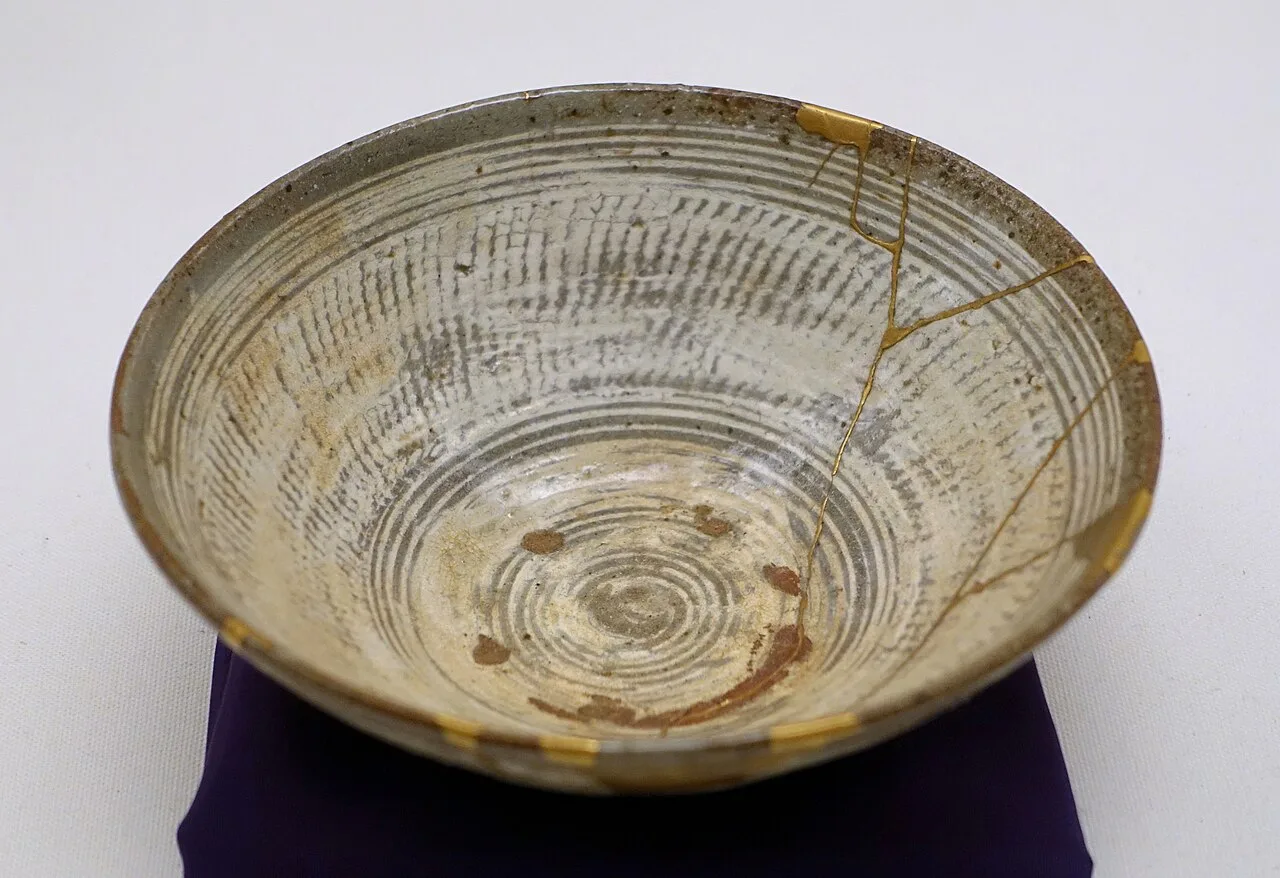
Owned vulnerability: acknowledging one's limits is not always enough
Sixth invariant of the Adaptation Coefficient: why acknowledging one's limits is almost universal among leaders, and what sets apart the admission that produces an effect.